
The Origins of Television Technology
The journey of television technology began in the late 19th century with innovations that aimed to transmit not just sound, but also images. The groundwork was laid by inventors who envisioned a method for broadcasting visual content over wires, a concept that would eventually transform global communication. One of the earliest contributions to this field was made by Paul Nipkow, who developed the Nipkow disk in 1884. This mechanical device was pivotal in scanning images and enabled the first steps toward creating a visual broadcasting medium.
In the years that followed, various inventors made significant strides in the developing technology. One notable figure was John Logie Baird, who is often referred to as one of the fathers of television. His pioneering experiments in the 1920s utilized the Nipkow disk and led to the first successful transmission of moving images. Baird’s work opened the door for visual radio, a concept that captivated audiences and laid the groundwork for subsequent advancements.
The 1920s marked a transformative period for television technology. With the first public demonstration of a working television system in 1926, Baird showcased the potential of visual broadcasting to the masses. This era also saw the invention of the cathode ray tube (CRT), which became the cornerstone of television sets for many decades. The CRT allowed for the display of images in a format that was more accessible and practical for consumers, leading to the widespread adoption of television.
As the technology evolved throughout the 1930s, the transition from visual radio to television broadcasting gathered momentum. Companies began to invest in research and development of television systems, setting the stage for the medium to become a fixture in households around the world. These early advancements laid the foundation for what would evolve into the multifaceted industry of television we know today.
The Golden Age of Television
The 1950s and 1960s are often hailed as the Golden Age of Television, a period marked by significant advancements in broadcasting and content creation that profoundly impacted American culture. This era saw the successful transition from radio to television as the primary source of entertainment and information in American households. With the rise of broadcast television, millions of families tuned in to their favorite shows, which became a staple of daily life.
During this time, color broadcasting began to emerge, revolutionizing the viewing experience. Although the first color broadcasts occurred in the late 1940s, it wasn’t until the 1960s that color television sets became commonplace in homes across America. Popular shows, such as “I Love Lucy” and “The Ed Sullivan Show,” showcased the vibrant new technology, captivating viewers and contributing to the growing popularity of television. These programs not only entertained but also reflected the evolving social landscape of the nation, addressing contemporary issues and influencing public opinion.
The Golden Age was also characterized by groundbreaking programming that laid the foundation for future television. Iconic shows like “The Twilight Zone” and “Leave It to Beaver” pushed the boundaries of storytelling and introduced innovative narrative structures. Influential figures, such as director Sid Caesar and writer Rod Serling, emerged during this time, shaping both the artistic and technical aspects of production. Their contributions significantly influenced how stories were told on screen and how audiences engaged with content.
In conclusion, the Golden Age of Television represents a pivotal moment in the evolution of media, where the power of broadcast television emerged as a dominant force in American society. This period not only transformed home entertainment but also played a crucial role in shaping cultural norms and public discourse, leaving a lasting legacy on the television industry and its future developments.
The Digital Revolution and Cable Television
The transition from analog to digital broadcasting marked a significant turning point in the history of television. This shift not only improved the quality of broadcast signals but also revolutionized how content was consumed. With the advent of digital technology, viewers were introduced to a wider array of channels and improved picture and sound quality. The growth of cable television during the 1980s and 1990s played a crucial role in this digital revolution.
During this period, the number of cable networks surged, leading to a diversification in programming strategies that catered to various demographic groups and interests. Channels began to emerge that specialized in genres such as news, sports, and entertainment, contributing to an increasingly segmented viewer landscape. The programming strategies adopted by these networks were innovative, focusing on niche markets and providing content that was previously unavailable in traditional broadcasting formats.
Additionally, the introduction of new viewing formats, such as VHS and DVD, further transformed consumer viewing habits. These formats allowed audiences to record and replay their favorite shows, significantly enhancing the control viewers had over their viewing schedules. Consequently, the market for home video began to flourish, changing the way films and television shows were consumed.
Another noteworthy development during this time was the introduction of satellite television. This technology provided even more options for consumers, especially those in remote areas where cable services were limited. The ability to receive numerous channels via satellite broadened access to content and further altered viewing habits, as subscribers could enjoy global programming.
As the internet began to take root as a viable platform for content distribution, it added another layer of complexity to the evolving landscape of television. Streaming services started to emerge, leading to a new paradigm for how viewers engaged with content, setting the stage for the future of television.
The Future of Television: Streaming and Beyond
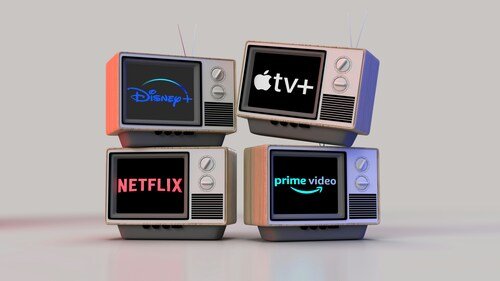
The landscape of television has dramatically transformed in recent years, primarily driven by the rise of streaming services such as Netflix, Hulu, Amazon Prime Video, and many others. These platforms have reshaped how audiences consume content, moving away from traditional broadcasting methods to an on-demand viewing experience. With the proliferation of smart devices, viewers now have unprecedented control over when and how they watch their favorite shows and movies, leading to significant changes in audience behavior.
One notable trend in this transformation is the emphasis on original content production. Streaming services have increasingly invested in creating their own exclusive shows and films, aiming to attract and retain subscribers. This shift not only fosters a diverse range of programming but also fuels competition among streaming platforms, which strive to provide unique offerings that cater to varying tastes. As a result, television viewers are witnessing a golden age of storytelling, with high-quality content spanning genres and formats.
Looking ahead, technologies such as virtual reality (VR) and augmented reality (AR) are poised to further revolutionize the television landscape. These advancements could offer immersive viewing experiences that traditional formats cannot match, enabling audiences to engage with content in interactive ways. Furthermore, as artificial intelligence continues to enhance recommendation algorithms, viewers may find recommendations becoming more personalized, improving content discoverability.
Moreover, the adaptation of broadcasters and content creators is crucial in this evolving environment. Traditional media companies are recognizing the importance of embracing streaming technology, often launching their own platforms to compete with established players. As subscription-based models become more popular, the future of television is likely to involve a blend of streaming and traditional content, tailored to meet the diverse preferences of global audiences.